
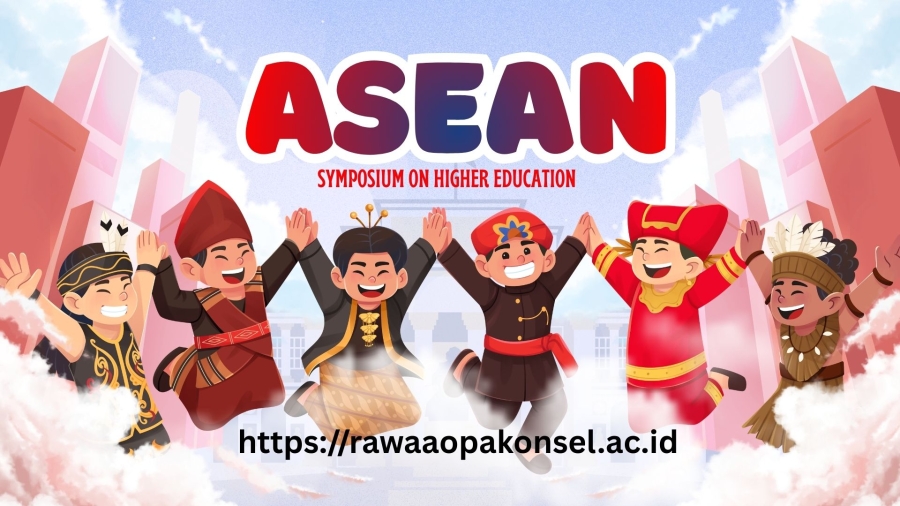
Rawaaopakonsel.ac.id, Jakarta – The SEAAM and Institut Agam Islam Rawa Aopa Konawe Selatan has officially announced the upcoming ASEAN Symposium on Higher Education, scheduled to take place from September 24 to 25, 2026, in Jakarta, Indonesia. This landmark event aims to gather education practitioners, university rectors, and regional stakeholders to address the evolving landscape of tertiary education within the bloc. Under the overarching theme of “Digital Transformation, Sustainability, and Regional Harmonization,” the symposium serves as a critical platform for aligning national educational goals with the broader ASEAN Community Vision.
A primary focus of the 2026 symposium is the acceleration of the ASEAN Higher Education Space, a regional initiative designed to foster a more integrated and “borderless” academic environment. Discussions will center on the implementation of the ASEAN GEMS (Global Exchange for Mobility & Scholarship) platform, which seeks to simplify credit transfers and increase talent mobility for students and faculty across the ten member states. By standardizing quality assurance frameworks, the symposium intends to ensure that degrees earned in one ASEAN nation are recognized and valued throughout the entire region.
In response to the rapid rise of Artificial Intelligence and digital tools, a significant portion of the symposium will be dedicated to digital inclusivity. Leaders will explore strategies to bridge the digital divide that persists between urban centers and rural communities, ensuring that technology-enhanced personalized learning is accessible to all. The announcement highlights the importance of “future-ready” graduates, emphasizing that higher education must evolve to meet the shifting demands of the global labor market while maintaining the cultural identity and values unique to Southeast Asia.
Sustainability also takes center stage, with sessions planned to discuss how universities can lead the transition toward a green economy. The symposium will facilitate “mini-lateral” cooperation, encouraging partnerships between universities, industries, and governments to fund research on climate resilience and renewable energy. By integrating Sustainable Development Goals (SDGs) into the core curriculum, ASEAN aims to empower the next generation of leaders to tackle environmental challenges through innovation and regional solidarity.
The event concludes a series of preparatory policy dialogues and reflects the collective commitment of member states to build a resilient and competitive educational sector. As the Philippines prepares to host this gathering, the symposium is expected to culminate in the adoption of new strategic roadmaps that will guide regional education policy through 2030. This announcement reinforces the notion that higher education is not merely an academic pursuit but a fundamental pillar for the socio-economic growth and stability of the ASEAN region.